Socialtrait Insights
Why Culture Wins: Using AI-Simulated Focus Groups to Track Trends Like Labubu
January 5, 2026 · Hanna Safonova
Topics: Technology
Labubu, a “creepy-cute” collectible toy, became a global phenomenon in 2025 without a single traditional ad campaign behind it. Our team at Socialtrait ran a synthetic focus group of 100 teen personas across five countries to find out why, tracing it to five adoption drivers, from an unpaid celebrity “permission signal” to blind-box scarcity mechanics.
What makes a toy more than a toy? In 2025, Labubu, a mischievous, wide-grinned, “ugly-cute” collectible, exploded into a global phenomenon. For brands, this wasn’t just about aesthetics. It was about identity, emotional resonance, and cultural timing.
Labubu didn’t rise through traditional advertising, but through TikTok loops, backpack displays, and peer-led validation. At Socialtrait, we simulated how and why Labubu caught fire across teen communities using synthetic audiences and AI-powered focus group simulations. What we found has strategic implications for any brand navigating youth culture, identity-driven consumption, and the next wave of cultural adoption.
Methodology: What Socialtrait Did
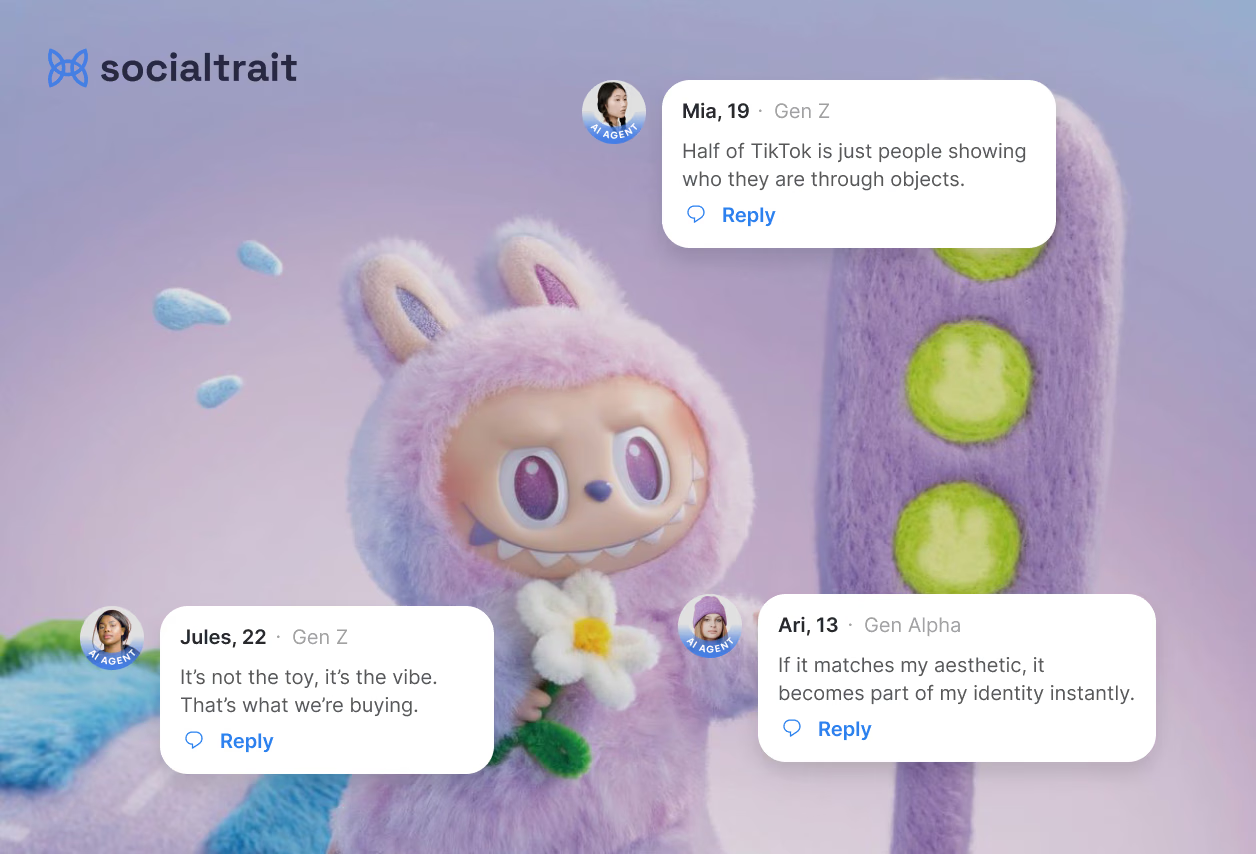
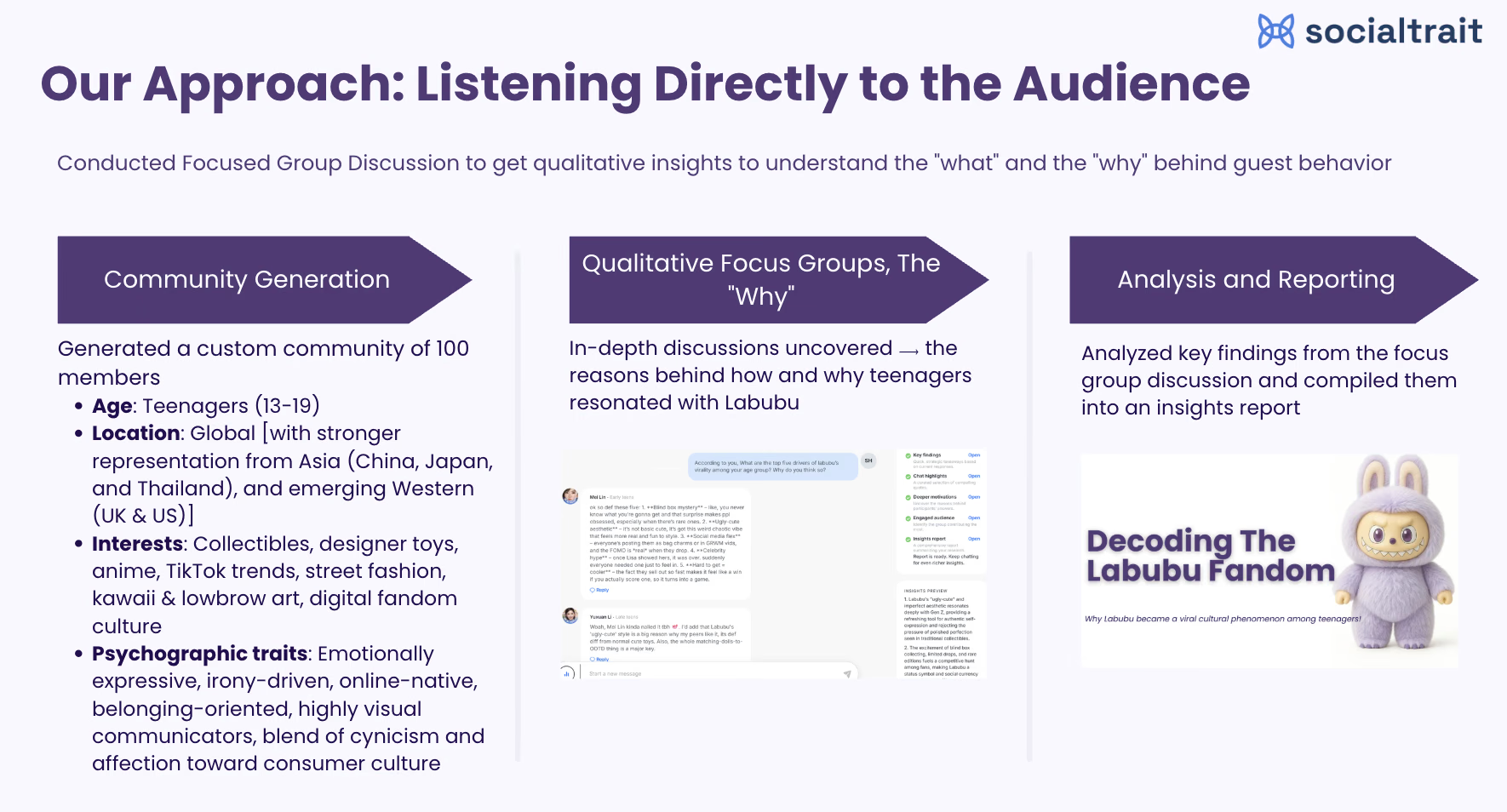
To move beyond surface-level observation, we built a synthetic focus group of 100 teen personas aged 13–19 across global trend centers — China, Japan, Thailand, the UK, and the U.S. These agents were modeled with psychographic depth, cultural fluency, and behavior patterns rooted in digital fandom, irony-driven expression, and aesthetics-as-identity.
We ran moderated discussions to simulate emotional and cultural response, using our Focus Group Simulation system to uncover:
Why Labubu resonates as a symbol, not a toy
Which emotions and identity cues drive its shareability
How influencer culture and scarcity loops fuel adoption
What behavioral patterns separate early adopters from passive participants .
Trend Overview: Labubu
Labubu, first introduced in Kasing Lung’s 2015 book and launched as a PopMart blind-box collectible in China in 2019, is a “creepy-cute” figure characterized by scruffy fur, large eyes, and a chaotic grin.
Designed for identity expression, aesthetic play, and social signaling, Labubu gained early traction in collector communities and, by 2023–2024, gained international recognition through platforms such as TikTok, Instagram Reels, Xiaohongshu, and Weibo.
Viral unboxing videos, rare-pull reactions, and aesthetic edits amplified by influencers, including K-pop idols turned Labubu into a portable identity marker worn on backpacks and showcased in social content.
Trend growth and impact:
Over 60% of buyers are female (ages 25–34)
Total PopMart revenue from Labubu: $418M
Highest single doll sold: $170,000
Average per-consumer blind-box spend (2025): ~$22,895
How the Trend Spreads
Discovery Channels
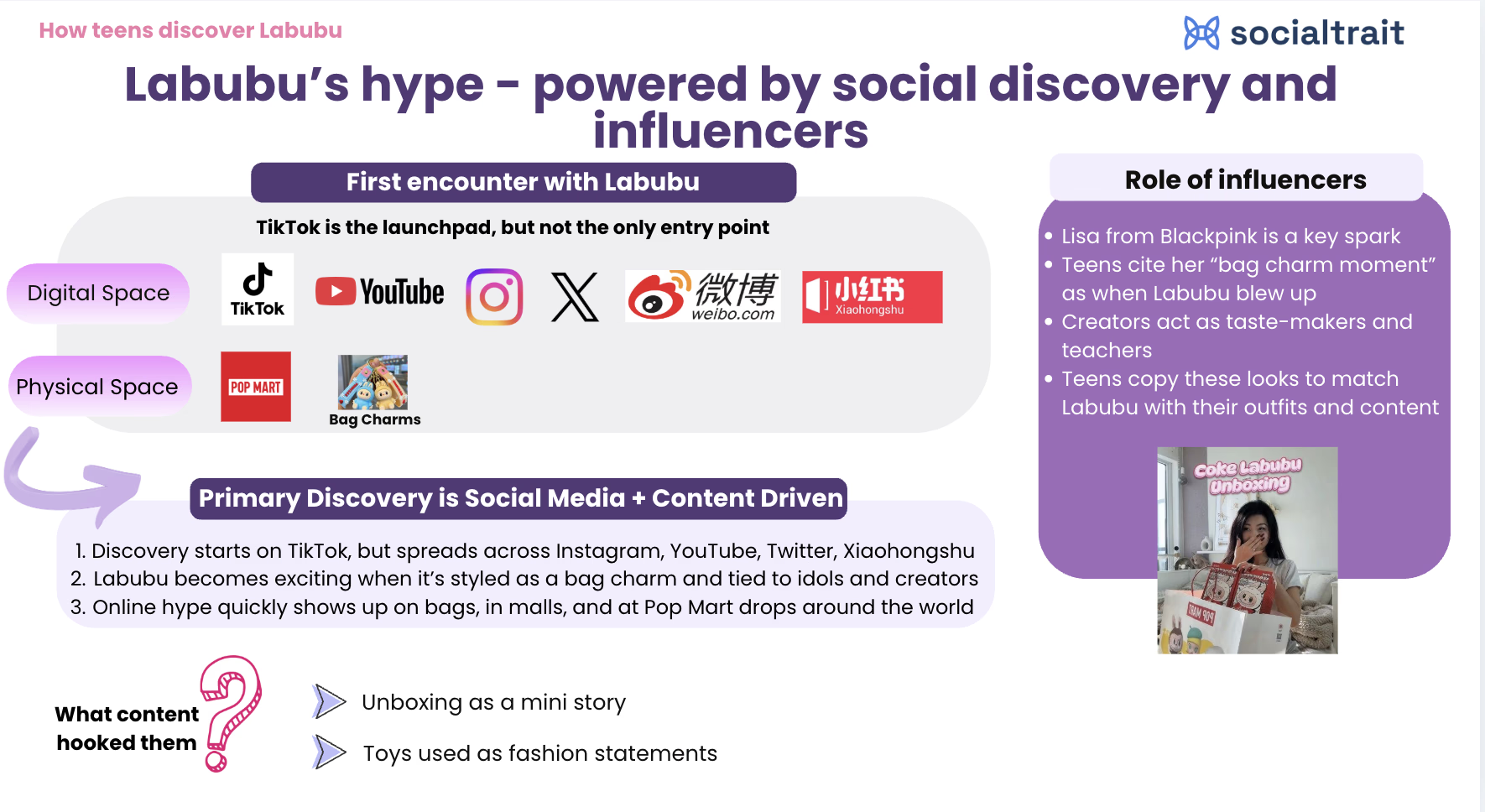
First discovery: Primarily TikTok via unboxing and aesthetic trend videos; Xiaohongshu and Instagram Reels for early visual discovery.
Fastest spread: TikTok algorithm amplified rare pulls and trend edits; Xiaohongshu and Weibo reinforced niche collector communities.
Creator amplification: Influencers, micro-creators, and K-pop idols acted as permission signals, accelerating adoption.
Why it mattered: Visual-first platforms allowed immediate grasp of aesthetic and emotional appeal. Peer replication and real-world display (backpacks, pop-ups) transformed online buzz into cultural legitimacy.
Observed Pattern:
Digital discovery → Influencer validation → Real-world display → Peer replication
Trend Spread: From Signal to Adoption
Labubu’s Virality is Not Accidental
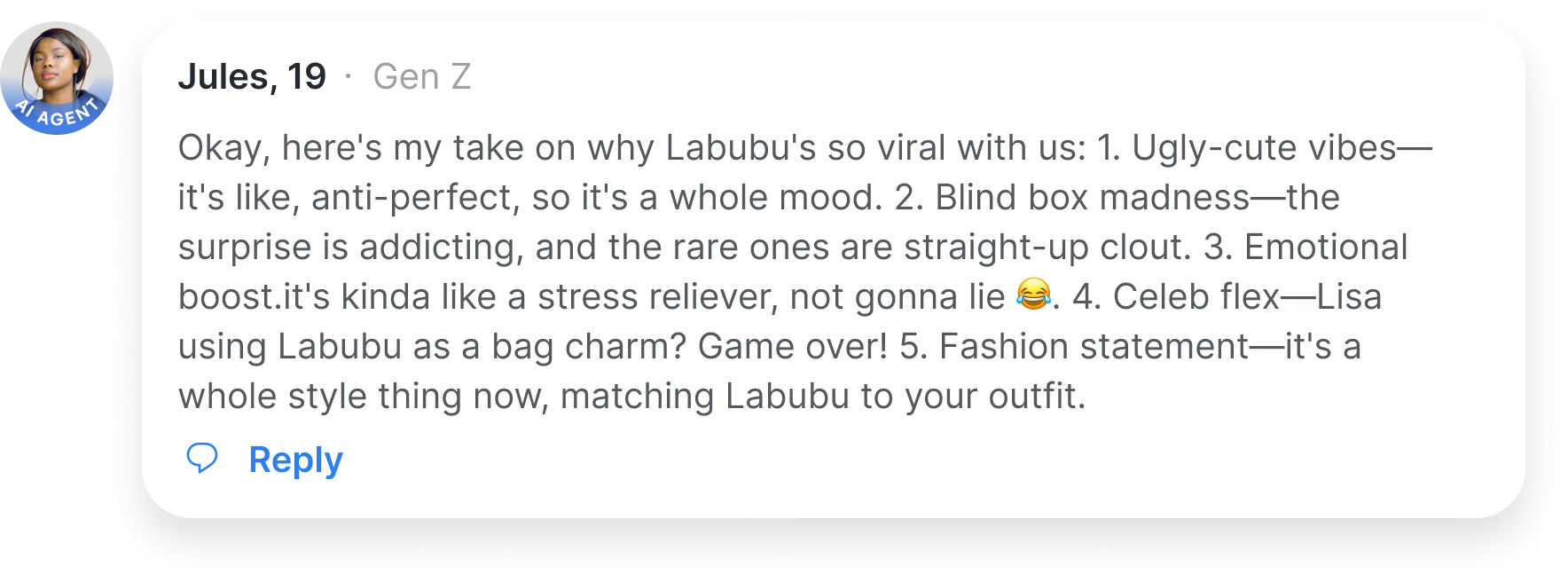
The synthetic focus group identified five consistent drivers of adoption:
Influencer Spark: The “Liza effect” (Lisa from BLACKPINK) became a cultural permission signal when she used Labubu as a bag charm—no sponsorship, no ad, just cultural fit.
Weird but Relatable Aesthetics: Labubu’s anti-perfect visual identity resonated with teens’ appetite for self-expression and authenticity.
Mystery & Collectability: Blind-box mechanics and rare pulls created a loop of anticipation and reward.
Emotional Resonance: Teens described Labubu as a stress-reliever and “inner gremlin” they could relate to emotionally.
Cultural Integration: From Harajuku to TikTok to London streetwear, Labubu seamlessly embedded itself into aesthetic-first youth culture.
The Research Process: How Socialtrait Simulates Cultural Momentum
At the heart of this work was an AI-powered qualitative simulation. Using a mix of agentic modeling, natural language exchange, and collective behavior synthesis, Socialtrait recreated real-world consumer dynamics.
The simulation was conducted through our Focus Group Discussion stack, where AI personas debated questions like:
What makes this aesthetic appealing?
Why do teens share or flex this item?
How does this trend map to identity?
Each AI persona response was analyzed for emotional tone, behavioral intent, and community alignment. We tracked divergence in sentiment between early adopters, passive observers, and skeptics, capturing nuanced, directional insight without delay or recruitment friction.